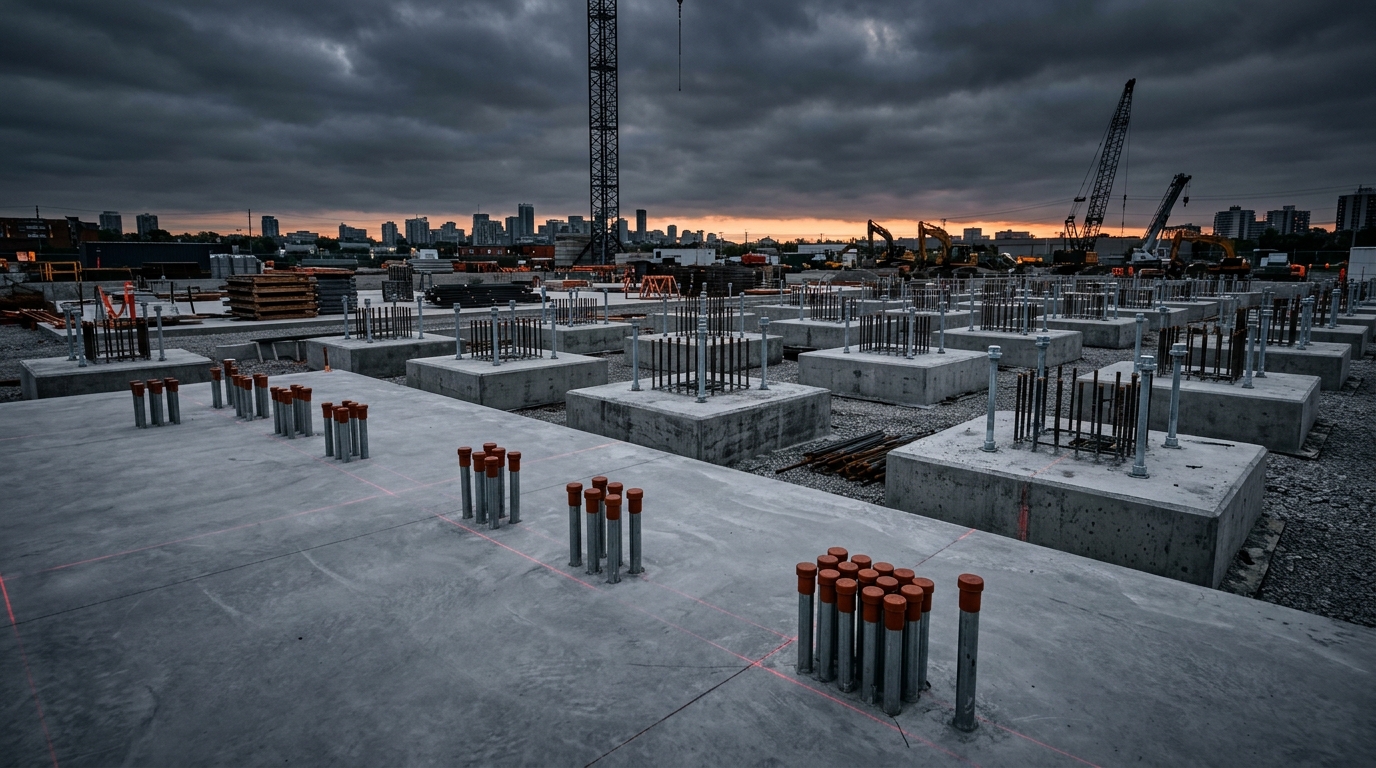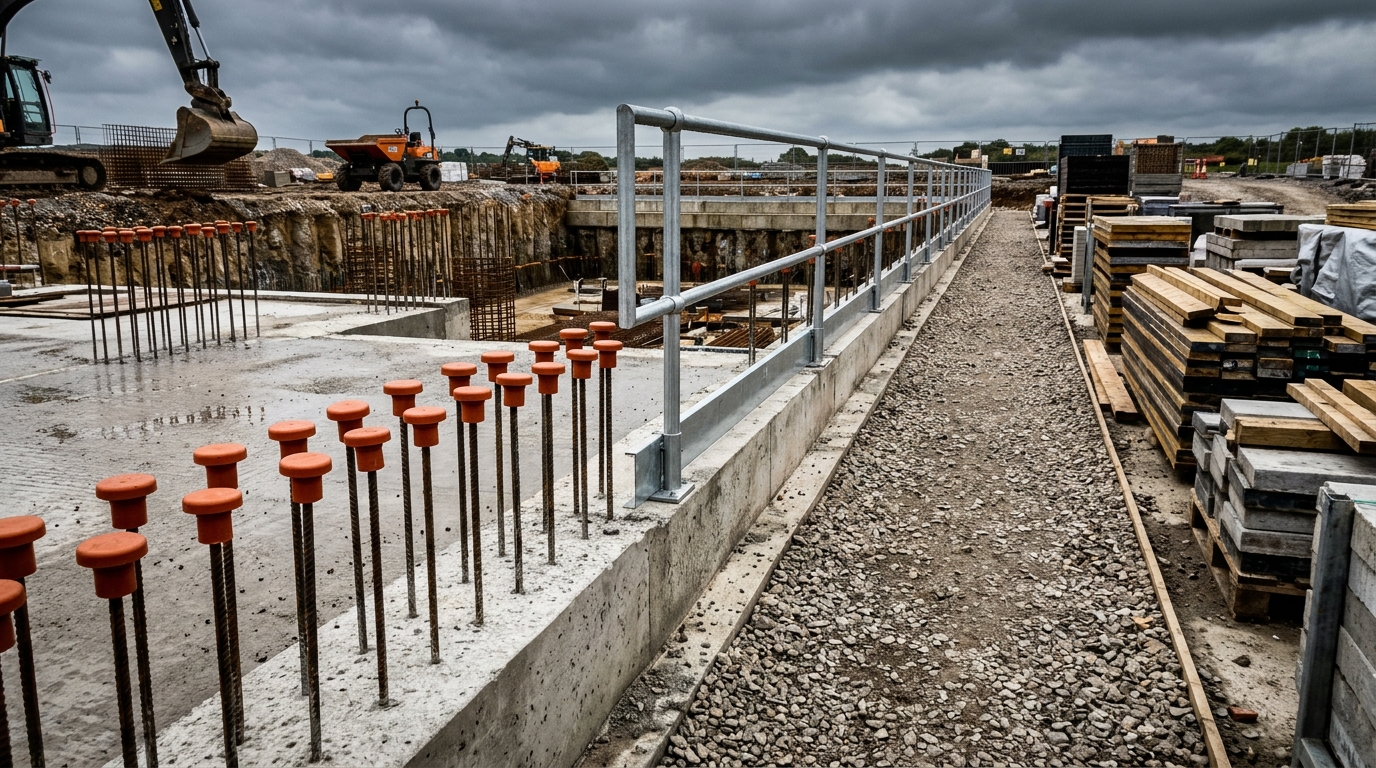
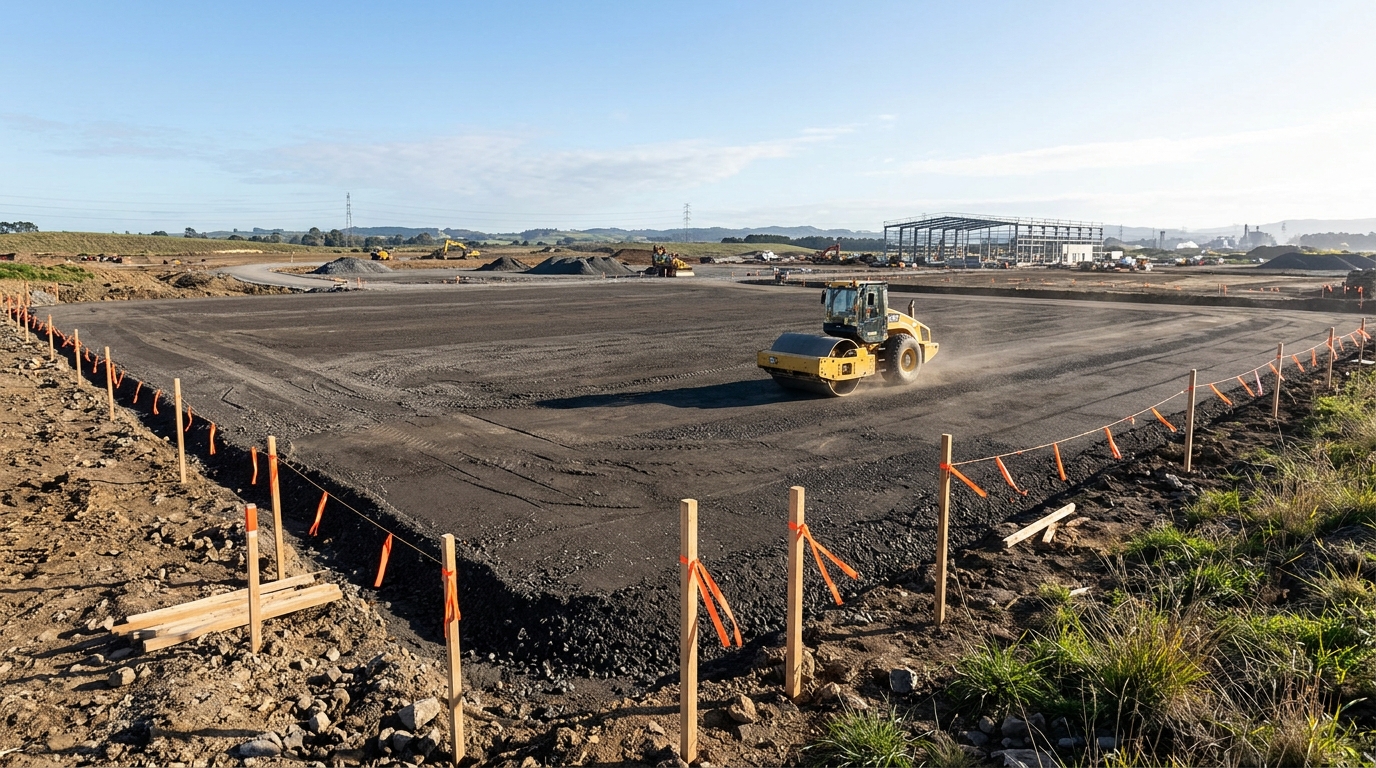
What Happens During Site Preparation for a Construction Project
Before a single footing trench is dug or concrete truck booked, early site preparation establishes the bearing stability, drainage behaviour and survey accuracy for the entire build.
TECHNICAL GUIDES & ARTICLES (01–05)
Written for builders, commercial project managers and property owners preparing sites for civil works and concrete construction.

Before a single footing trench is dug or concrete truck booked, early site preparation establishes the bearing stability, drainage behaviour and survey accuracy for the entire build.

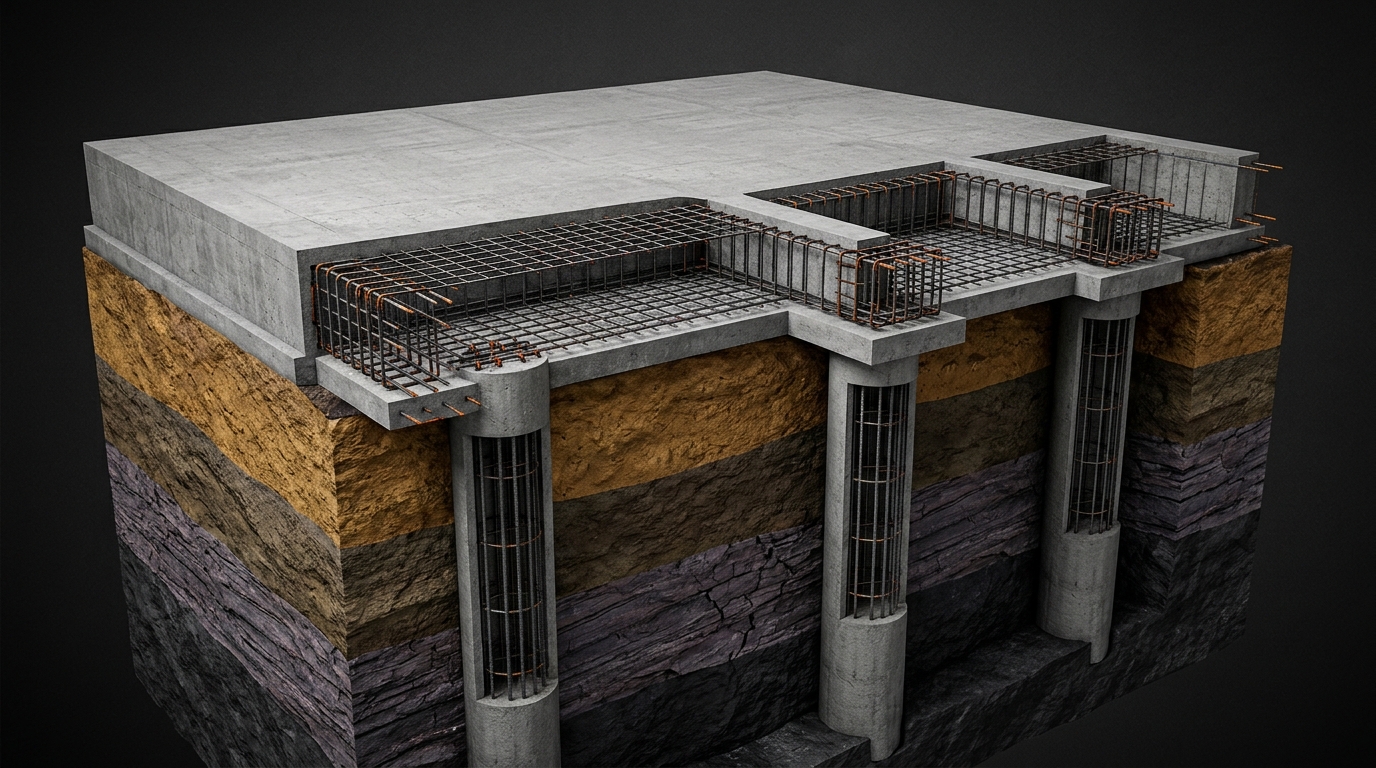
Choosing between a conventional stiffened raft, waffle pod slab, strip footings or deep piers depends on soil reactivity, slope, structural loads and drainage. Here are the key questions that clarify options early.

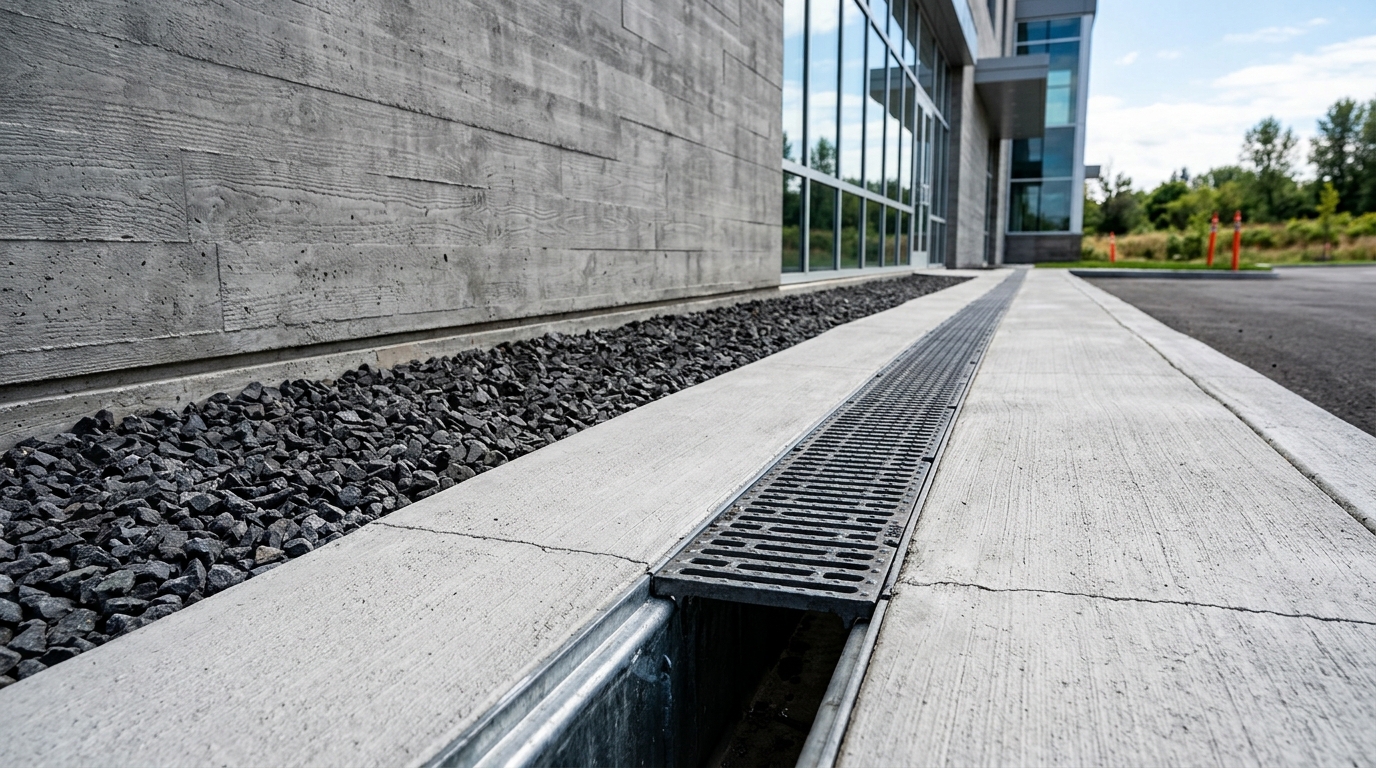
Uncontrolled water is behind a large share of foundation heave, retaining wall movement and pavement failure. Treating drainage as an early civil priority—not an end-of-build tidy-up—protects structural assets.

Commercial builds bring tighter tolerances, heavier plant and overlapping specialist trades. Structured coordination keeps civil works, in-ground services, concrete slabs and structural steel aligned.

Effective construction safety happens during planning, not just on a clipboard at the gate. During groundworks and concreting, early hazard controls protect crews, neighbouring properties and the public.
Editorial note: Articles on tectonicraft.com.au provide general construction and project-planning information only and do not substitute project-specific geotechnical, civil or structural engineering advice.
Reach out with your site details or drawings and we can discuss practical civil and foundation sequencing.